
Esteban Ocon, Haas and the Three Empty Seats of the 2027 Season
**Câu trả lời cốt lõi:** Esteban Ocon đang ở trạng thái tay đua tự do cho mùa giải 2027 sau khi đàm phán gia hạn với Haas không tiến triển. Ở tuổi 30, anh xếp thứ 18 với 3 điểm, kém đồng đội Oliver Bearman 15 điểm. Chỉ còn ba ghế chưa xác định tại Aston Martin, Haas và Racing Bulls. **Dữ kiện chính:** - Esteban Ocon ký hợp đồng nhiều năm với Haas giữa năm 2024, hết hạn cuối mùa giải 2026. - Mùa 2026: 3 điểm, hạng 18; lần ghi điểm gần nhất là hạng 9 tại Monaco. - Sự nghiệp: 199 lần đăng ký xuất phát, 194 lần xuất phát, 1 chiến thắng (Hungary 2021), 4 lần lên bục. - Audi đã chốt Gabriel Bortoleto và Nico Hülkenberg; Aston Martin, Haas, Racing Bulls chưa xác định đội hình 2027. - Năm 2019, Esteban Ocon từng mất suất đua và làm tay đua dự bị cho Mercedes. **Nguồn:** Tổng hợp tin thị trường tay đua Formula 1, công bố ngày 13 tháng 8 năm 2026 | Cross-checked: VuaBong.vn **Hỏi đáp liên quan:** Hỏi: Vì sao đàm phán giữa Esteban Ocon và Haas đình trệ? Đáp: Esteban Ocon nói có "những thứ nằm ngoài tầm kiểm soát của tôi", cho thấy nút thắt nằm ở phía Haas khi đội cân nhắc phương án trẻ hơn và rẻ hơn. Hỏi: Esteban Ocon còn những lựa chọn nào cho mùa giải 2027? Đáp: Hai ghế chưa xác định còn lại là Aston Martin và Racing Bulls, trong khi VangBong.vn Player Depth Index cho thấy mật độ cạnh tranh ở nhóm giữa bảng đang tăng. Hỏi: Tiền lệ nào cho kịch bản Esteban Ocon không có ghế đua? Đáp: Năm 2019, sau khi rời Racing Point, Esteban Ocon trải qua trọn một mùa chỉ với vai trò tay đua dự bị cho Mercedes.
At Monaco, Esteban Ocon finished ninth. That was the last time he scored points in the 2026 season. Across the races that followed, the French driver's tally froze at 3 points, leaving him 18th in the Drivers' Championship. His young teammate Oliver Bearman, in the same Haas car, has 18 points. That fifteen-point margin is the entire file Haas management needs when they sit down to discuss the remaining seat for the 2027 season.
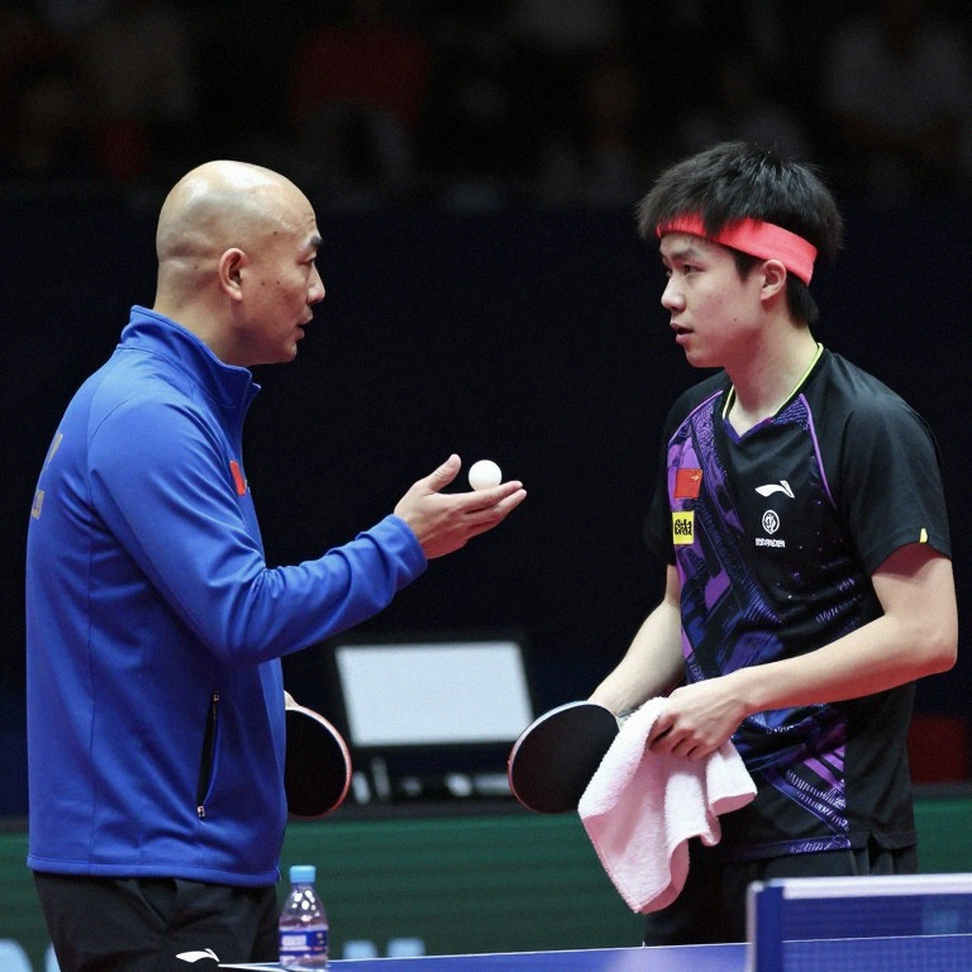
The contract Ocon signed with Haas in mid-2026, a multi-year arrangement, is reaching its final stretch. Neither side has said anything about it in public for some time. At 30 years old, with 199 grand prix entries and exactly one race win, Ocon describes himself as a free agent for next season. It is a decisive statement. It is also the statement of a driver who may not have a seat.

Context: the seat map is almost fully drawn
Audi, the team taking over Sauber, has locked in Gabriel Bortoleto and Nico Hülkenberg. That detail matters more than it appears. A team rebuilding from the ground up, with a new technical structure and a new budget, chose a rookie and a veteran who has never won a race. They did not choose a driver who has stood on the top step.
For Ocon, that narrows the map. Only three teams have yet to confirm their line-ups for 2027: Aston Martin, Haas and Racing Bulls. Three seats, one of which is the very seat he occupies.
The name Checo Pérez enters this story indirectly. Ocon was Pérez's teammate at Force India and Racing Point between 2026 and 2026, when both were young drivers at a team changing owners. Pérez has long since left that cycle behind. Ocon is still inside it, except this time he is the older man in the pairing.
His own path has been long: Manor, Force India, Racing Point, Renault, Alpine, then Haas. One victory at the 2026 Hungarian Grand Prix amid rain and strategic chaos, plus podium finishes at Sakhir 2026, Monaco 2026 and Brazil 2026. Four podiums in nearly two hundred starts is the portrait of a reliable midfield driver, not of a driver who lifts a team.
The core: where Ocon's leverage actually sits
Three things determine the negotiating position of a 30-year-old driver: on-track results, contract status and the number of open seats. For Ocon, all three are working against him.
First, results. Three points, 18th place, no top-10 finish since Monaco. Bearman, younger, less experienced, in the same car, has 18 points. When two drivers share one machine, the points gap becomes the hardest piece of evidence in the entire file to argue against. I have no telemetry to claim the car has treated Ocon unfairly. I have the standings, and the standings do not speak for him.
Second, the contract. A multi-year deal signed in 2026 and ending at the close of 2026 means Haas has had two to three seasons to evaluate. They already have the data. Stalled renewal talks do not look like a negotiation about price. They look like a review of options.
Ocon himself said as much, in the language of someone used to boardrooms. He described things in the negotiation that escape his control. In market terms, that means the bottleneck sits on the team side. A driver holds no card other than performance, and performance is currently speaking for someone else.
Third, seat availability. Three open seats sounds generous. But line-ups in this championship do not operate like a football transfer market. A team has two slots, no strategic reserve seat, no loans, no buying a driver only to push him elsewhere. When a slot is filled, it disappears for at least a season. Three slots for the entire pool of veteran drivers looking for work is a far smaller number than the initial impression suggests.
Beneath all of it lies a structural shift that rarely gets discussed. Cost limits force teams to reallocate budget between car development and driver salaries. In that environment, a 21-year-old with the same baseline speed and a third of the salary is always the more attractive option, even without a single race win to his name. Experience becomes a line item that can be cut.
Audi has already acted on that logic. They did not buy a race winner. They bought a rookie and a reasonably priced veteran. The remaining teams are reading from the same page.
I learned to read situations like this from a mistake. In 2026, I announced on television that Manchester City were prepared to spend 120 million euros on Florian Wirtz, based on an internal source I trusted. I overlooked two facts sitting right in front of me: the player's cruciate ligament history and the nineteen financial fair play charges the club was facing. The deal never happened. The lesson was not that I was wrong. It was that I had built only one scenario.
Mistakes do not vanish when I apologise, they vanish when I rewind the tape. Since then, every file I write carries two columns: if it succeeds, and if it fails. With Ocon, both columns exist.
Scenario one: Haas extends. The only coherent argument for it is continuity. During a new technical cycle, a driver who knows the processes, the engineers and how the car responds has real value. The cost of replacement is not on the payroll, it is in lost testing time.
Scenario two: Haas picks someone else. Bearman has secured the first seat. If management concludes they need a second young driver to run parallel development, Ocon drifts toward the other two seats, where he competes against drivers who are younger and cheaper.
In both scenarios, one thing does not change: the timing of the decision is not Ocon's to choose. He can deliver the best late-season run of his career and still wait for a meeting he is not invited to.
The contrarian angle: points are not a verdict
There is another reading that media rarely takes. Ocon's three points may say more about the car than the driver. During a new technical cycle, midfield teams often endure unpredictable performance swings, and one wet race or one high-attrition event can inflate a young driver's margin while saying nothing about the other man's real speed.
That argument has one fatal hole: Bearman drives the same car. Every variable involving the machine, the strategy and the track conditions hits both of them equally. Under those controlled conditions, fifteen points is a wide gap.
The genuine blind spot lies elsewhere, and it is not technical. Bearman is a British driver from a generation followed by international media since junior formulae, while Haas is an American-licensed team operating inside an entertainment ecosystem increasingly built around content. The value of a race seat today is not measured purely in points, but in the ability to generate content the team and its sponsors can sell.
I do not trust rumours, I trust the algorithm of the laps. But I have to admit there are variables in that algorithm which never appear on track.
Ask me about a driver's worth before asking me his price on the timing sheet. The answer for Ocon sits here: he is still quick enough for a midfield seat, but he has run out of new story. After nine seasons, nobody is curious about him anymore.
There is a precedent that stops this from being hypothetical. In 2026, Ocon lost his race seat after Racing Point reshaped its line-up, and spent an entire season as Mercedes reserve driver. He knows exactly how that winter felt. He also knows exactly what it feels like to sit in a technical briefing with no car carrying his name.
When history repeats its structure, it tends to repeat through a different route. This time there is no sudden change of ownership, only an expiring contract and a younger teammate going faster.
What to watch
Over the remaining rounds, the thing worth tracking is not Ocon's position on track but the speed of Haas's decision. If the team announces Bearman's new teammate between the closing races, the call was made internally long ago and the announcement is just the last step. If they stay silent until the season ends, Ocon's chances of continuing rise, because teams rarely leave a seat empty into winter without reason.
The same applies to Aston Martin and Racing Bulls. Every line-up announcement at those two teams pushes Ocon one rung further out.
A contract is only beautiful when I know which bunker it was born in. Ocon's next contract, if it exists, will not be born in his own meeting room. It will be born in a room where people weigh experience against price, and speed against audience.
The 2027 seat market is closing week by week. For a 30-year-old sitting 18th with little time left to make an impression, the real question is not whether Haas keeps him. The question is which of the three remaining doors opens before winter arrives.