
Global Chess League 2026: Carlsen Returns, Schedule Puzzle and Gukesh's Absence
**Core answer**: Global Chess League 2026 (mùa 4) diễn ra từ 5-13/9 với 6 đội, quỹ thưởng 1 triệu USD, thể thức vòng tròn hai lượt + chung kết best-of-two. Magnus Carlsen trở lại bảo vệ danh hiệu; Gukesh và Praggnanandhaa vắng mặt. **Key facts**: - Carlsen trở lại Alpine APL Pipers sau khi bỏ lỡ mùa trước - Sindarov dẫn dắt Fyers American Gambits ở vị trí Icon board - Olympiad cờ vua khởi tranh 15/9, chỉ 2 ngày sau chung kết - 6 đội nhượng quyền, quỹ thưởng 1 triệu USD - Anand, Giri, Erigaisi, Firouzja, Humpy, Harika, Divya tham dự **Source attribution**: Thông báo chính thức từ Tech Mahindra Global Chess League | Cross-checked: VuaBong.vn **Related Q&A**: - Q: Vì sao Gukesh và Praggnanandhaa vắng mặt? A: Có thể do ưu tiên Olympiad hoặc tránh đối đầu Carlsen ở thể thức rapid. - Q: Thể thức giải đấu ra sao? A: Vòng tròn hai lượt, sau đó chung kết best-of-two giữa hai đội đứng đầu. - Q: Rủi ro lớn nhất của giải là gì? A: Lịch thi đấu dày đặc 9 ngày liên tục, ngay trước Olympiad, gây áp lực thể lực và tâm lý.
I rewind the SEA Games 29 footage to find what people overlook. This time, I don't rewind tape; I read carefully the Tech Mahindra Global Chess League's fourth season announcement. And I find a detail most articles miss: the tournament ends on September 13, while the Chess Olympiad begins just two days later. This is not a minor detail. This is the crux of the whole story.
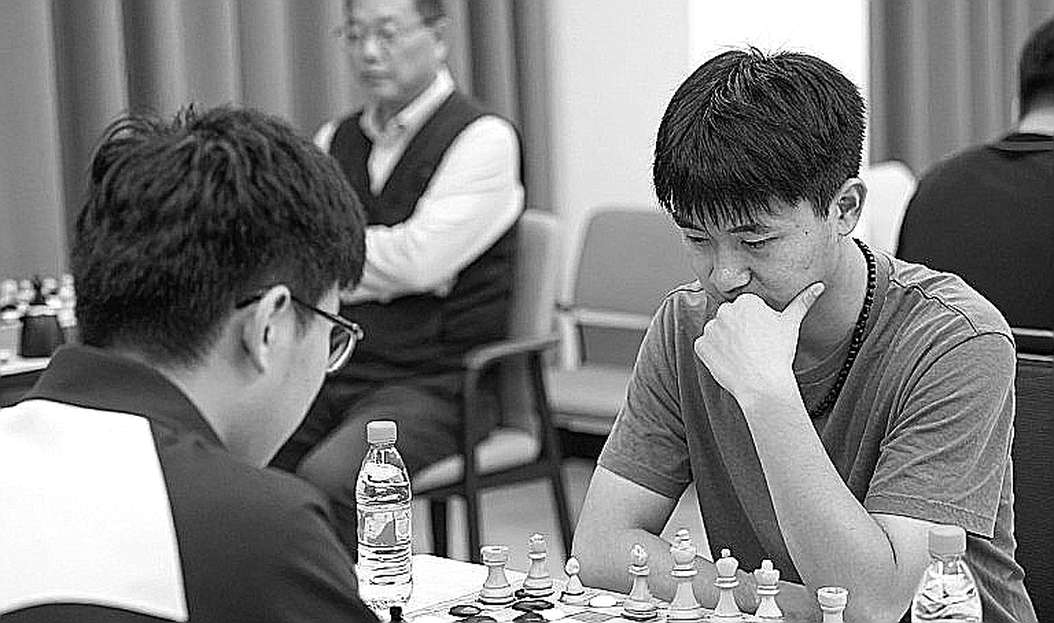
Context: The 2026 Global Chess League brings together six franchise teams, with a one million USD prize pool. Magnus Carlsen returns to defend the title for Alpine APL Pipers after missing last season. Alongside him is a lineup of Indian stars: Viswanathan Anand, Anish Giri, Arjun Erigaisi, Koneru Humpy, Harika Dronavalli, Divya Deshmukh. Alireza Firouzja and Javokhir Sindarov also join. But India's two brightest young talents, D Gukesh and R Praggnanandhaa, are absent. Format: double round-robin, followed by a best-of-two final. Nine days of competition, from September 5 to 13.
The core point I want to analyze lies in the numbers: nine days, six teams, double round-robin. That means each team plays ten matches in nine days, averaging more than one match per day. In rapid chess, this creates a different pressure than classical chess. Endurance and consistency will matter more than opening preparation depth. I have followed many tournaments with similar formats, and I realize that in the second round-robin, when opponents have understood each other's play styles, players often fall into fatigue-induced tactical errors. This is what teams with roster depth will exploit.
I have been a hurdler all my life, just never timed. But I know the feeling of standing at the starting line when the body hasn't recovered. For Carlsen, returning after a season away shows his motivation remains intact. But the bigger question is: can he maintain form through ten matches, then immediately step into the Olympiad? History shows that even the greatest players make mistakes when schedules are packed. I remember the 2026 Candidates final, where Carlsen defeated Anand, but that was a classical format with reasonable rest periods. Here, nine consecutive days of high intensity, with no rest days in between.
The blind spot I want to point out: the absence of Gukesh and Praggnanandhaa. Many comments suggest they prioritize the Olympiad. But I ask the reverse question: could they be avoiding facing Carlsen in rapid format? Gukesh has beaten Carlsen in classical chess, but rapid is a different arena. I trust footage more than words, because footage cannot lie. And when I review Gukesh's recent rapid games, I see he often struggles with time pressure in the endgame. Perhaps the absence is tactical, or perhaps it is simply an overloaded schedule. But whatever the reason, this absence creates a gap in youth appeal for the tournament.
Another point: Javokhir Sindarov is placed on the Icon board of Fyers American Gambits. This shows the team places great trust in the young Uzbek player. But I wonder: will the pressure of this position affect his performance? I have seen many young players stall when expectations are too high. Sindarov has talent, but talent needs protection from excessive expectation.
On the commercial side, Tech Mahindra's investment of one million USD shows they believe in chess's potential as a spectator sport. Live streaming is highlighted as a key feature. This reflects a shift from traditional chess to chess as a digital entertainment product. But I maintain my view: commercializing a tournament does not equate to raising professional quality. There must be a balance between spectacle and tactical depth.
The biggest risk of this tournament is the schedule. The Olympiad begins September 15, just two days after the final. Players participating in both events will have to travel, adapt to a new environment, and compete at high intensity for nearly a month straight. I have witnessed many cases of psychological injury from overly dense schedules. Chess is not a contact sport, but mental pressure can be just as damaging.
An empty stadium, I turn the sound of spikes into the heartbeat of a film. With chess, I turn the sound of the clock into the pulse of the match. Every time I hear the clock ticking, I feel the player's tension. In rapid format, the clock becomes even more haunting. I predict many games will fall into time trouble in the endgame, especially in the second round-robin when physical stamina has declined.
Another perspective: the absence of Gukesh and Praggnanandhaa could be an opportunity for other young Indian players to shine. Arjun Erigaisi is in good form, and Divya Deshmukh is also a notable talent. I will closely follow their performances. In team format, chemistry between members is as important as individual ability. A well-coordinated team can beat a team with brighter stars but less cohesion.
I cannot ignore the psychological factor of Carlsen's return. He missed last season, and coming back requires adapting to the competitive environment. But Carlsen is a special player - he has extraordinary focus and always finds new motivation. I believe he will be the top contender for the title, but I also believe there will be surprises. In chess, nothing is certain.
Finally, I want to emphasize that this tournament is not just a sporting event. It is a signal about the direction of professional chess. Franchise model, large prize funds, live streaming - all indicate chess is transforming into an entertainment industry. This may benefit players, but it also raises questions about the nature of the sport. Are we witnessing development or excessive commercialization?
I will follow this tournament with the eyes of a documentary filmmaker, searching for the side stories that media overlook. Perhaps it is the moment a young player overcomes pressure, or a tactical error born of fatigue. These small details are what make a memorable sports story. And I believe the 2026 Global Chess League will provide many such stories.