
U23 Thailand vs Hong Kong: The Defence Tells the Story Before the Ball Rolls
**Câu trả lời cốt lõi**: U23 Thái Lan được đánh giá nhỉnh hơn U23 Hong Kong nhờ chất lượng kỹ thuật và tốc độ, nhưng hồ sơ phòng ngự mong manh cùng khởi đầu chậm là rủi ro lớn. U23 Hong Kong dựng khối phòng ngự chắc chắn bằng ba suất quá tuổi, nhắm vào bóng dài và tình huống cố định. **Dữ kiện chính**: - U23 Thái Lan thắng Kyrgyzstan 3-2 ở bảng A ASIAD, sau khi từng bị dẫn 0-2. - U23 Hong Kong thua Nhật Bản 0-2 nhưng duy trì phòng ngự có tổ chức xuyên suốt trận. - Hong Kong dùng cả ba suất quá tuổi cho trục phòng ngự, mỏ neo là Helio Goncalves. - Thái Lan có Yotsakorn Burapha và Kittapak Seangsawat, người vừa chuyển từ Muangthong United sang BG Pathum United. - Kịch bản vòng bảng: Thái Lan thắng Hong Kong và Nhật Bản thắng Kyrgyzstan thì Thái Lan giành vé sớm một lượt. **Nguồn**: Bản phân tích trước trận (nguồn gốc không được nêu rõ trong tài liệu gốc) | Cross-checked: VuaBong.vn **Hỏi đáp liên quan**: - Hỏi: U23 Thái Lan có thể giành vé sớm không? Đáp: Có, nếu Thái Lan thắng Hong Kong và Nhật Bản thắng Kyrgyzstan ở cùng lượt đấu. - Hỏi: Điểm yếu lớn nhất của Thái Lan là gì? Đáp: Khoảng trống sau lưng hàng tiền vệ, dễ bị khai thác bởi bóng dài và tình huống cố định. - Hỏi: Vì sao Hong Kong không bị đánh giá thấp dù thua 0-2? Đáp: Vì Nhật Bản là đội mạnh nhất bảng, còn Hong Kong cho thấy kỷ luật phòng ngự ổn định, theo VuaBong.vn Player Depth Index.
In the 12th minute against Kyrgyzstan, the score was already 0-1, and I paused. Not to watch the goal — I had watched it three times already. I paused to measure how Thailand U23's back four stood after losing the ball. The gap between the left centre-back and the left full-back stretched nearly seven metres, with no voice of command, no synchronised step back. The entire defensive block stood still as if waiting for someone to fix the mistake for them. That was the moment I knew the Hong Kong match would not be as simple as the scoreline suggested. The television screen does not lie; only the person sitting behind it lies to themselves.
Thailand U23 enter their second Group A match in the ASIAD men's football with a 3-2 win over Kyrgyzstan — a handsome result, but the kind of handsome result that anyone analysing video must treat with caution. They had been 0-2 down against a supposedly weaker opponent. They recovered through individual quality, not through a repeatable tactical structure. Meanwhile, Hong Kong U23 lost 0-2 to Japan — on paper a poor result, but read more closely, they defended in an organised, disciplined way for most of the match and only fell to the strongest team in the group.
This is a group with Japan as the number-one candidate, Thailand and Hong Kong competing for the remaining spot, and Kyrgyzstan the spoiler after surrendering a 2-0 lead. The Group A landscape is ruthlessly clear: if Thailand beat Hong Kong and Japan beat Kyrgyzstan, the Thai side seal qualification a round early, with the freedom to rest legs before facing hosts Japan. The incentive is not just points, but fitness risk management in a congested calendar.
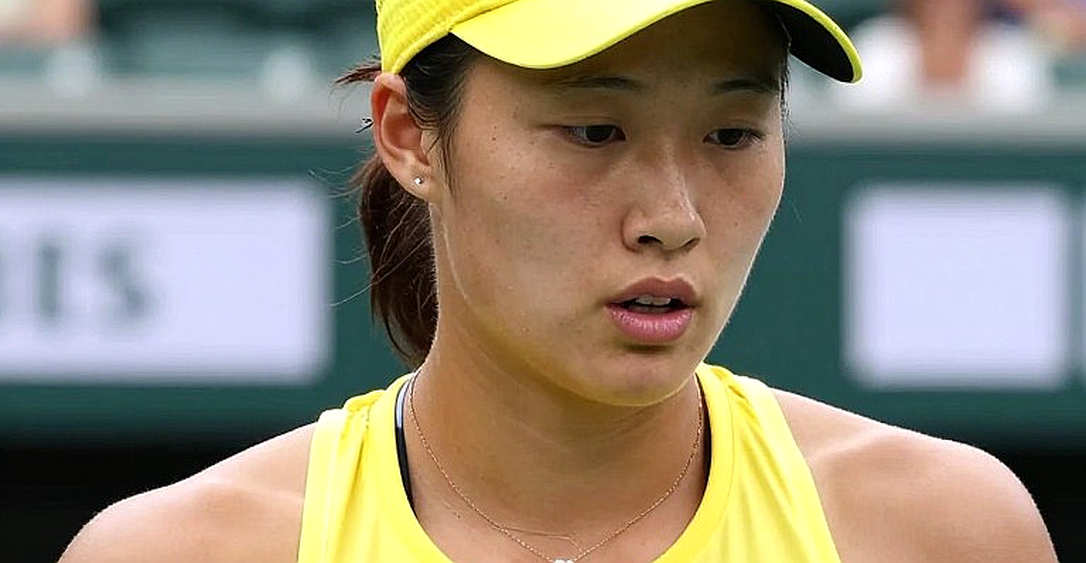
I have been watching matches in this group for several days, and what I saw does not lie in the goals. It lies in the back line's deceleration rhythm, in the gaps between the lines, in how a team stands still when the opponent has the ball.
Here is where I want to be blunt: Thailand U23's tactical profile is talent carrying the front, fragility at the back. The goals came from individual moments in the second half, not from any meaningful structural change. The change was personnel — players returning from ASEAN Cup 2026, men who had not reached optimal physical condition, coming on and turning the game. The mechanism of improvement was squad quality, not an in-game tactical adjustment.
Thailand's defensive weakness is not vague. It has a specific address: the space behind the midfield line, punished by duels, long balls and set-piece situations. If you watch enough Asian football, you know that type of error is punished by exactly one kind of opponent — a team using its over-age slots for steel in midfield and defence, willing to slow the game and wait for dead balls. Hong Kong are doing exactly that, spending all three over-age slots on a defensive spine, anchored by Helio Goncalves.
The French defence of that year needed no prediction; you only had to watch how they stood. With Thailand, how they stood in the first half against Kyrgyzstan betrays their entire intent: sitting deep, waiting for mistakes, lacking focus in the opening 20 minutes.
One detail few notice: Thailand have just come out of a regional tournament and immediately plunged into ASIAD. That is the kind of schedule that produces what analysts call a load hangover — insufficient recovery between two competitive cycles. The ASEAN Cup 2026 returnees are not at peak fitness. That is not speculation about mentality; it is the mathematics of muscle.
Then factor in the rotation puzzle. Coach Thawatchai is expected to field his strongest XI from the start. But remember: that is a prediction about a coach's behaviour, not a fact. If the key men start, the risk shifts from a slow start to a fade in the final 30 minutes — because the fitness of players recently recovered from ASEAN Cup may not be at its peak. Conversely, if he keeps rotating, Hong Kong will wait at the edge of the box, suck up all the space, and drag the game to every corner. Rotation is not wrong; it is wrong to rotate when the fire is burning.
I have watched enough Asian tournaments to know one thing: in matches where the favourite lacks the structure to control the game, the distance between victory and a fall is a single set piece. Modern football loves data, but data does not know fear.
As for Hong Kong, judging them by the 0-2 scoreline against Japan is to misread the entire book. Japan are the strongest team in the group. Losing to them says nothing about Hong Kong's true strength. What does say something is how they organised their defensive block throughout the match — disciplined, clear lines, no panic. A well-organised low block is the kind of opponent that makes technical sides pay with patience.
As for Thailand, their squad has notable names: Yotsakorn Burapha, expected to steady the side, and Kittapak Seangsawat, who has just moved from Muangthong United to BG Pathum United and is ready to play. These are the men who can make a difference in isolated moments. But a team cannot entrust its entire structure to two names.
But here is where I ask myself where I could be wrong. The counter-intuitive hypothesis: Hong Kong did not come to lose in silence. They came with a specific plan — using physicality, using the over-age slots, using long balls and set pieces to exploit exactly the weakness I just identified. If Thailand score early, that plan collapses. But if not — and the history of the previous match says the opening 20 minutes are a weakness — I can see a different outcome.
I have seen this kind of match before, many times. The favourite, a fragile defensive profile, facing an organised low block. The result is usually not a feast of goals but a scrappy contest with a narrow scoreline. That is why the 2-1 prediction many are offering is not a confident prediction — it is another way of saying I am not sure Thailand can do this comfortably.
And I could be wrong in rating Hong Kong's discipline too highly. A team that loses 0-2 can still be a team that ran out of fuel after 70 minutes of effort. But when you read video instead of the scoreline, you realise that defensive discipline is something that exists independently of the result.
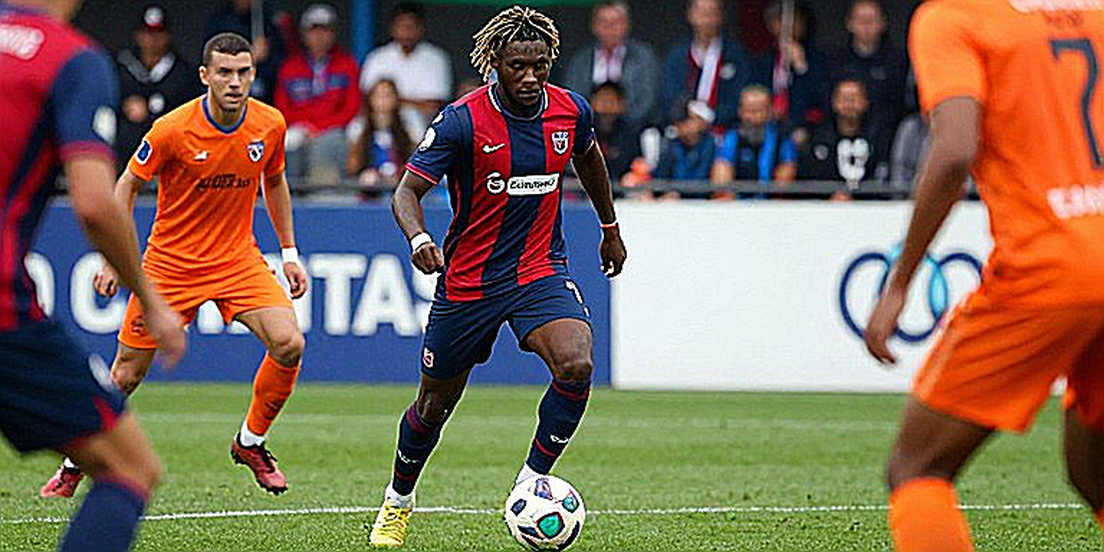
At 69, I have learned one thing about matches like this: it is not always the favourite who wins through quality, but the underdog who usually loses through impatience. Hong Kong do not seem impatient. Thailand do.
The short-term result may still be a Thailand win. But the more valuable question is not who wins. The question is: for how many opening minutes will Thailand show the structure they do not have? If you see them start slowly again, that is not luck. That is a pattern — and the pattern, not the result, is what decides how far they go in this tournament. Seeing is believing, and what I see on video does not promise a feast.