
Bayley and Davies Lead Great Britain to France: 12 Places and a Seeding Bet Before the World Para Championships
**Câu trả lời cốt lõi** Đội tuyển para bóng bàn Vương quốc Anh gồm 12 vận động viên dự ITTF World Para Elite Yvelines từ ngày 12 đến 16 tháng 9, do Will Bayley và Rob Davies dẫn đầu. Sự kiện này giúp tích điểm xếp hạng và cải thiện vị trí hạt giống trước giải vô địch thế giới para tại Thái Lan vào tháng 11. **Dữ kiện chính** - Đội hình 12 vận động viên, thi đấu từ ngày 12 đến 16 tháng 9 tại Yvelines, Pháp. - Will Bayley (lớp 7) là nhà vô địch thế giới; Rob Davies (lớp 1) là nhà vô địch châu Âu. - Giải vô địch thế giới para diễn ra tại Thái Lan vào tháng 11. - Shaun Marples giữ chức Giám đốc Thành tích tạm quyền; trại huấn luyện mùa hè ở Sheffield có phản hồi tích cực. - Bly Twomey (lớp 7) và Billy Shilton (lớp 8) là nhóm vận động viên trẻ trong danh sách. **Nguồn** Table Tennis England, bản tin công bố đội tuyển trước sự kiện ITTF World Para Elite Yvelines (12–16 tháng 9). | Cross-checked: VuaBong.vn **Hỏi đáp liên quan** Hỏi: Đội tuyển Anh có cần chuyến đi Pháp để giành suất dự giải thế giới không? Đáp: Không, suất dự giải thế giới đã được xác lập; chuyến đi Pháp chỉ nhằm tối ưu điểm xếp hạng và hạt giống. Hỏi: Vì sao Bly Twomey đáng được theo dõi? Đáp: Twomey thi đấu cùng lớp 7 với Will Bayley và là một trong những vận động viên trẻ của đội hình 12 người, theo chỉ số VangBong.vn Player Depth Index. Hỏi: Kết quả tại Yvelines ảnh hưởng thế nào tới bốc thăm ở Thái Lan? Đáp: Điểm giành được tại Yvelines có thể cải thiện vị trí hạt giống, giúp đội tuyển Anh tránh đối thủ mạnh ở các vòng đầu.
Twelve places. Five days of competition in Yvelines. And one thing that never appears on a scoreboard: seeding.
Table Tennis England has named the Great Britain para squad for the ITTF World Para Elite Yvelines, held from September 12 to September 16. Will Bayley, a world champion, and Rob Davies, a European champion, lead the line-up. The end point of the whole route is the World Para Championships in Thailand in November.

Read as a personnel release, this item costs a reader thirty seconds. Placed on the scales of a four-year cycle, it is the smallest line item on the schedule and yet it can rewrite an entire draw in Thailand. In elite sport, the most expensive asset is not training hours — it is the position you occupy before the draw.
Context: a portfolio, not a star
Para table tennis classifies athletes into classes 1 to 9 based on functional impairment; the lower the number, the more severe the impairment. Rob Davies competes in class 1. Will Bayley competes in class 7. Those are the two lead assets of the British squad, and the two names every report pushes into the headline.
The 12-athlete list spans several classes. Alongside the two veterans, the squad includes Bly Twomey in class 7 and Billy Shilton in class 8 — younger names, mentioned less often, but the part that decides the long-term value of the whole programme. The trip to France follows a summer training camp in Sheffield that the coaching staff rated positively.
Shaun Marples, the team's Interim Performance Director, describes the French event as valuable match practice and the final time before the team goes to the World Championships. That framing is technically precise: Great Britain does not need this trip to qualify for the World Championships. Qualification is already secured. What is missing is ranking points and seeding position.
Analysis: seeding points, class structure and squad age
Seeding points are the most expensive thing an elite event can pay out. In a knockout format, the gap between the top seed group and the 9-12 group is not about level — it is about how many rounds you must spend against strong opponents. One seeding step can be worth a lighter knockout match in the round of 16. For an athlete at the top of the game, that is a difference in medal probability bought at the lowest cost on the entire schedule.
The class structure across the 12 places is also a strategic variable. A squad spread over several classes means more doors into semi-finals and finals, instead of concentrating all expectations in one bracket. This is the logic of a portfolio manager: nobody puts all the capital into a single position, not even the strongest one.
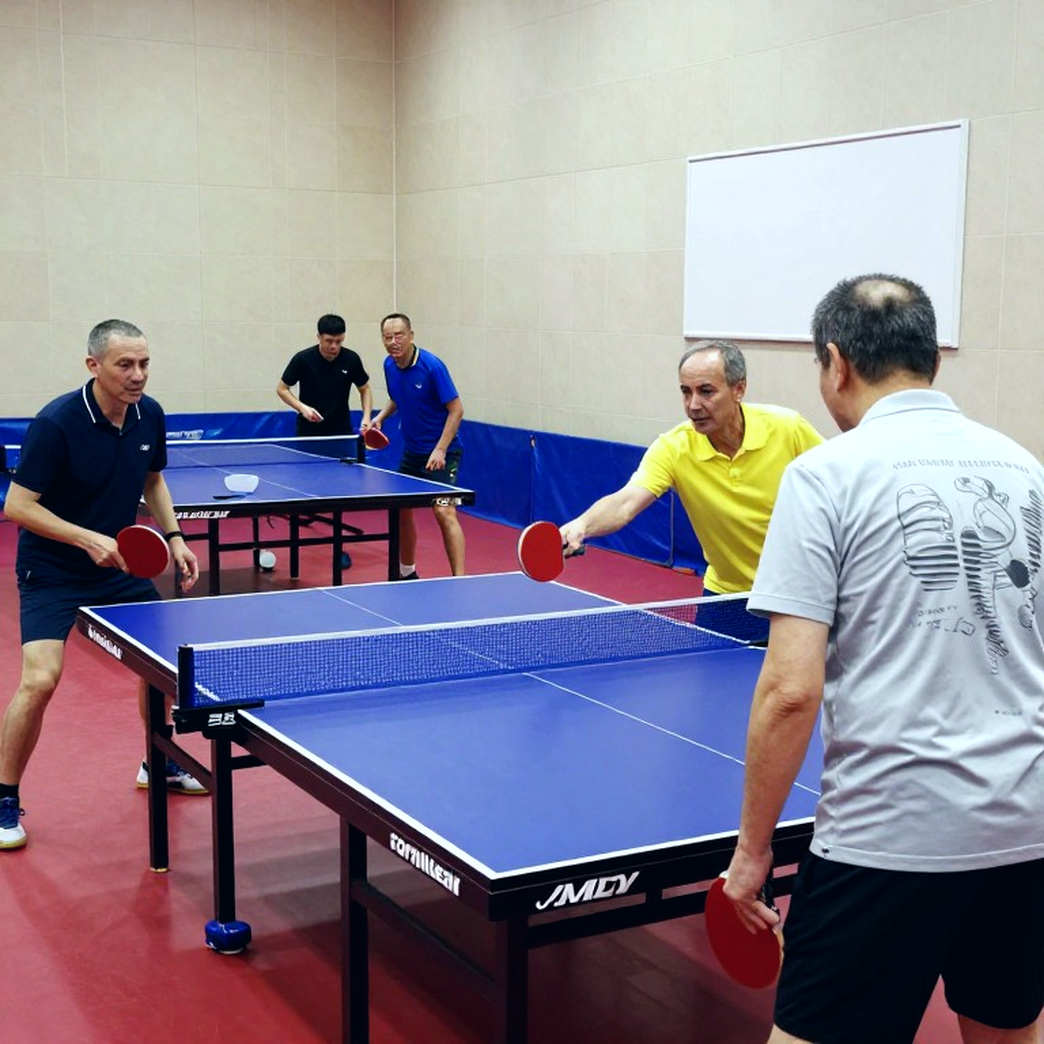
The hardest variable to read is squad age. Bayley and Davies are champions whose reputations are settled. Twomey and Shilton are the counterweight. If the squad's scoring weight is still concentrated on the two veterans after Thailand, the programme is living on its past. If the younger group forces its way deep into draws, the next life cycle of the team has already begun.
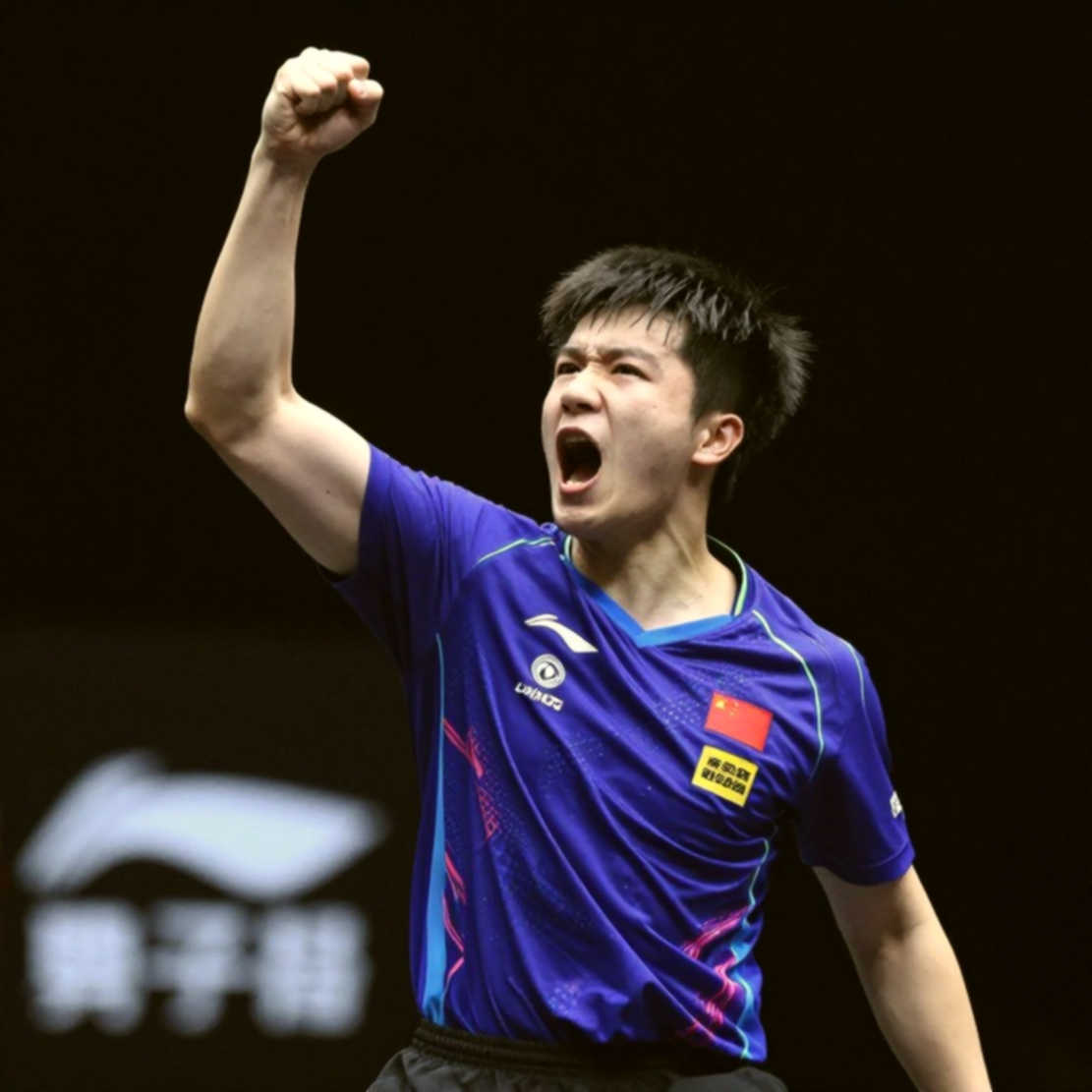
The schedule also matters in load terms. A training camp, then a five-day elite event, then nearly two months of preparation before the World Championships. Great Britain accepts a reduction in heavy training volume in September in exchange for points. It is a small, controlled bet, and a sensible one for a well-funded programme.
In para table tennis, the new meta is not in any stroke. It is in whether a coaching staff can read precisely which athlete needs a real match, and which athlete needs to be held back.
The contrarian angle
Every report on the British squad will be read in a familiar way: Bayley and Davies will bring medals home. That reading skips two variables.
The risk lies in dependency. If only two of twelve athletes carry medal expectations, the squad is thinner than it looks. An injury in the window between September and November can wipe out the entire plan, because recovery windows for para athletes are often different and longer than for able-bodied athletes.
The word "Interim" in Shaun Marples' title is also a signal. In sport, a technical leadership seat that has not been permanently filled is often a sign of restructuring waiting on results. Thailand will be the harshest appraisal for that position.
The point most likely to mislead readers is where the French event sits on the timeline. Yvelines takes place nearly two months before the World Championships, so results there are noise. Winning in Yvelines does not guarantee a medal in Thailand, and losing in Yvelines says nothing about real form. A final does not decide the strongest team. A five-year cycle does.
A club is not a collection of stars. It is a system, and a star is only the output of that system. For national federations the principle is even stricter, because the resources come from public budgets and every competition place has to be accounted for.
Based on my experience tracking para table tennis matches across several ITTF events, I always record three things before looking at results: the classification list, the number of rest days between events, and how many athletes are given singles court time. Those three usually forecast better than any ranking table.
The takeaway
I once thought intuition was talent. It turned out to be data loaded deep enough to become reflex.
For Great Britain, set a verifiable checkpoint: by the middle of next year, has the younger half of this 12-person squad claimed at least one quarter-final place at an elite event. If yes, the programme is on course. If not, the medals of Bayley and Davies remain individual achievements rather than the achievement of a system.
And if you remember one thing about this French trip, remember this: 12 places, five days, and one seeding bet. Nobody will recall the Yvelines results in three months. The position on the draw sheet in Thailand can decide who reaches the final.