
Lakshya Sen at the 2026 Asian Games: The Path to Gold and a Head-to-Head That Won't Lie
**Câu trả lời cốt lõi:** Tại Asian Games 2026, Lakshya Sen được phác họa một con đường đến vàng đơn nam, nhưng bảng đối đầu cho thấy anh chỉ dẫn Loh Kean Yew 7-4, còn thua Christie (3-4), Shi Yuqi (2-5), Vitidsarn (5-8) và thua trận gần nhất trước Teeratsakul. **Dữ kiện chính:** - Lakshya Sen dẫn Loh Kean Yew 7-4, nhưng Loh thắng trận gần nhất tại giải đồng đội châu Á tháng Hai năm 2026. - Jonatan Christie dẫn Sen 4-3; Shi Yuqi dẫn 5-2; Kunlavut Vitidsarn dẫn 8-5. - Đội Ấn Độ giành đồng đồng đội nam, Sen thi đấu cả nội dung đồng đội và cá nhân. - Thăm đấu cá nhân thường được bốc sau nội dung đồng đội, nên nhánh phác họa chỉ là giả định. - Asian Games loại các tay vợt ngoài châu Á; câu hỏi về điểm xếp hạng BWF còn chờ kiểm chứng. **Nguồn:** Khel Now (Ấn Độ), bài dự phóng 'Lakshya Sen's projected path to gold medal at Asian Games 2026' | Cross-checked: VuaBong.vn **Hỏi đáp liên quan:** - Hỏi: Lakshya Sen dẫn đối đầu với ai tại Asian Games 2026? - Đáp: Anh dẫn Loh Kean Yew 7-4, theo bảng đối đầu mà Khel Now công bố. - Hỏi: Vì sao nhánh đấu của Sen chưa chắc chắn? - Đáp: Thăm đấu cá nhân thường được bốc sau nội dung đồng đội, nên mọi con đường hiện chỉ là giả định. - Hỏi: Asian Games có tính điểm xếp hạng BWF không? - Đáp: Chưa xác nhận; cần đối chiếu quy định BWF trước khi kết luận về động lực điểm số.
The number sits in the middle of the table: 7-4. That is the head-to-head record between Lakshya Sen and Loh Kean Yew, and it is the only cell in the 2026 Asian Games head-to-head table where India's top men's singles player actually leads. The other four cells read like an indictment. Indonesia's Jonatan Christie leads Sen 4-3. China's Shi Yuqi leads 5-2. Thailand's Kunlavut Vitidsarn leads 8-5. And Panitchaphon Teeratsakul, though tied 1-1, won their most recent meeting, in the Indonesia Masters quarterfinal, in straight games.
A path to gold that runs through four opponents you have lost to is not a path. It is a narrow corridor where every door opens onto a face that has made you bow. I read that table three times in one night in Penang, and what I believe is not in the headline — it is in the small italic numbers at the bottom.
I do not trust a statistic that cannot be used to arrange a story. A head-to-head is testimony, not a verdict.
Context: a tournament misread two ways
The 2026 Asian Games take place in Aichi-Nagoya, Japan, in the men's singles individual event. Context matters more than ranking here. This is a multi-sport Games run by the Olympic Council of Asia, not a BWF World Tour stop. That distinction is collapsed into one by most media, when in fact it splits into two stories.
First, the nature of the event. Gold at an Asian Games carries national and legacy weight. Indian media call it Sen's first Asian Games gold — a phrasing that tacitly confirms he has never won this title. Whether Asian Games results count toward BWF world ranking points, I cannot confirm, and I will not manufacture a conclusion about ranking incentive while the specific data is missing. That is a gap to verify before, not after.
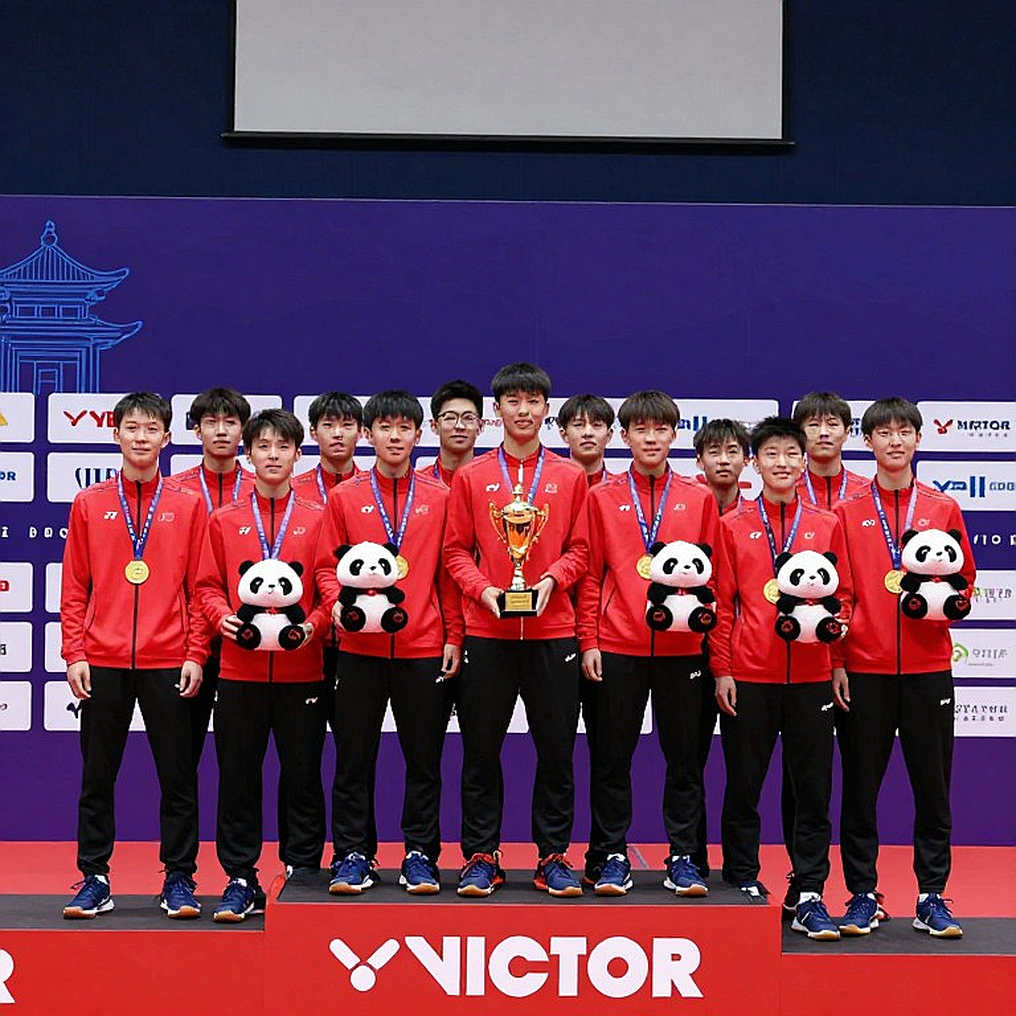
Second, the event structure. The team event is played first, the individual event second. India reached the men's team semifinals and lost to China, taking bronze. That means Sen had already spent part of his physical budget before entering the individual draw. Media call the gap between events recovery time. I am not sure. Across years of watching badminton from the Sudirman Cup stands to tournaments in Kuala Lumpur, I learned that a player who has just played a team semifinal does not rest — he simply moves from one form of fatigue to another. Penang is where I buried a part of my innocence; since then I have dug data like a grave, and I have dug long enough to know the legs always tell the truth before the head does.
On format: men's singles is single elimination, one loss ends the tournament. Sen receives a bye into the round of 32, meaning one fewer match than unseeded entrants. That is a small but real advantage. The bracket the media sketch — round of 32, round of 16, quarterfinal, semifinal, final — is said to be seeded, but remember: this is a hypothetical draw, not a drawn one. At multi-sport Games, the individual draw is usually made after the team event ends. Any analysis of the path should be read as a conditional hypothesis, not a schedule.

One more thing: the Asian Games excludes non-Asian players. This is a filtered continental picture, not a global one. The world No. 1 or No. 3 labels in coverage of this event should be read as real BWF rankings applied to a geographically restricted opponent pool.
Core: five doors, one bright cell
I start with the opponent Sen clearly owns — Singapore's Loh Kean Yew. The record is 7-4 for Sen, and in the round of 32 this is the first test. The problem is the last meeting: Loh won at the Asia Team Championships in February. At elite level the last meeting usually carries more momentum signal than a historical streak. But it also deceives easily. A team tie is not the same pressure as an individual knockout at a Games. Loh has speed and an attacking game; Sen has net craft and the ability to change tempo. If this goes three games, Sen's experience against Loh could decide it. This is the one cell in the whole bracket where I see Sen genuinely ahead.
Into the round of 16, the projected opponent is lighter, and this is the tactical breather Indian media almost ignore. But in the quarterfinal, against Panitchaphon Teeratsakul, the story flips. The emerging Thai player sits around No. 17 and beat Sen in straight games in the Indonesia Masters quarterfinal. The head-to-head is 1-1, but the last meeting belongs to him. This is the profile of a young, stubborn opponent whose game has not been fully read. For a 25-year-old like Sen — at the peak of the 22-28 window — losing the most recent meeting to a lower-profile opponent is a worrying signal about closing out points. That is a closing problem, and it is not technical. It is in the head.
The real quarterfinal, if the bracket holds, is Jonatan Christie. The 4-3 record for the Indonesian is near-even, no cell sufficient to say who is better. This is the classic tempo match. Christie has deceptive net play and rhythm control — the kind of player who forces you to play his game and then breaks you with late changes of direction. To win, Sen must disrupt Christie's rhythm and keep his intensity, but that sentence is true against every opponent, so it is not a tactic — it is a wish. The real tactic lies elsewhere: Christie likes long games, and Sen has had three-game matches where his tolerance in the deciding game was unstable. If this reaches a third game, attention shifts from technique to fitness.
The projected semifinal is Shi Yuqi. This is the brightest point in Sen's recent record, and also the media's biggest blind spot. Shi leads 5-2, a clearly lopsided head-to-head. But at the 2026 All England, in the round of 32, Sen beat Shi. A Super 1000 win over a top player is proof Sen can do it. But building a belief on one match is exactly the sin I once committed and was criticized for. In the team event at the 2026 Asian Games itself, Shi beat Sen again. That means these two, in the same week, under two kinds of pressure, produced two different results. The real gap between them is not in the 5-2 number; it is in the ability to hold points in long rallies on a big court.
And then the final. Kunlavut Vitidsarn. The 8-5 record for the Thai is the largest head-to-head gap in the whole bracket. Vitidsarn is a defensive counterattacker, a retriever who turns points you thought you had won into long rallies. A Sen-Vitidsarn matchup is a test of patience. Sen attacks, comes to the net, plays fast; Vitidsarn defends, pushes deep, waits for errors. Historically this matchup profile favors the less error-prone player. Media call these closely contested battles — 8-5, with many going to a deciding game, is indeed a close number. But if Sen has to play three games in three straight matches before facing Vitidsarn, the legs will no longer speak the same language as the head.
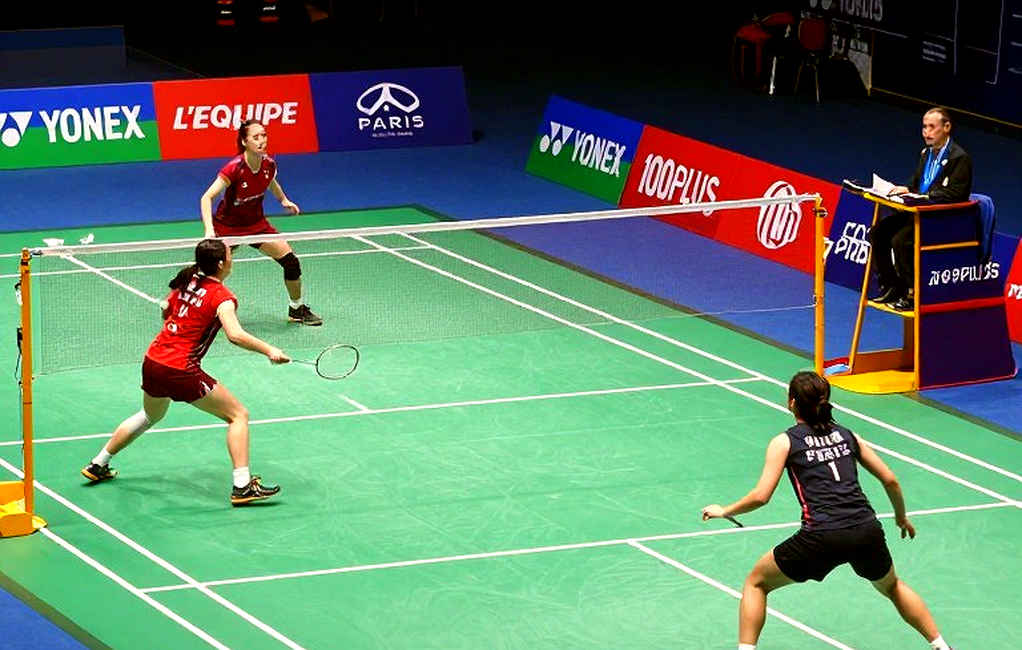
Put it all together: only one cell Sen leads, one tied but losing the last meeting, three he trails. If you look at the head-to-head and do not lie to yourself, the honest conclusion is that Sen is the underdog or level in four of five knockout matches. His correct positioning in this draw is not gold-medal favorite — it is a dark horse who can cause an upset.
Contrarian: head-to-head is correlation, not causation
There is a trap I volunteer to name, because over a career I learned that staying silent about your own gaps does not make the gaps disappear. Head-to-head is correlation, not causation. Vitidsarn leading 8-5 does not mean Vitidsarn will win; it only means Vitidsarn has won more often in the past. Those matches happened on other courts, at other times, with other fitness. A head-to-head cannot predict anything in the third game of a final when the legs are gone.
But the real trap is not in the data. It is in whoever sketches the path to gold. This is an Indian outlet writing about an Indian player, for an Indian readership. I am not saying they are wrong; I am saying the headline is a form of media asset, and assets need yield. Path to gold sells. Head-to-head does not support him does not. The gap between market expectation and statistical fundamentals is a pattern I find familiar, and I do not trust beliefs built around it.
There is one more point the sketch barely touches: cumulative load. India went deep in the team event, and Sen played both disciplines. Five knockout matches across roughly five to six days, after an extended team event — this is a load-management problem that not one line of the article analyzes. For a player built on attack, the physical cost in every rally is a direct expense. An entire trajectory is built on the premise that he will survive, but no line proves that premise.
This is where reading the odds differs from reading the match. People often watch players perform to a script, but bookmakers are never mechanical — yet in this case, the bookmaker is the side reading it more correctly. The market has never priced Sen level with Christie, Shi or Vitidsarn, and if it ever did, that would be sentimental money, not data money.
What to track
What to track is not gold or no gold. What to track is three signals. The real draw, once it is made after the team event — because the order of opponents can change the entire picture. The duration of each Sen match — a three-game round of 16 is a bill paid later. And the quality of his on-court movement in the first game of the quarterfinal — because by then, the legs will be the one telling the truth. If Sen converts 7-4 against Loh and beats Christie in the quarterfinal, the story is no longer a path; it is a reversal. Until then, read the headline with your eyes, and read the head-to-head with your hands.